Men’s Clothes: How to Store Them
Men often email me to ask how to store their clothes, so I thought I’d offer a few simple best practices for most of the clothes in your closet. If you’re looking for information on seasonal clothing storage - like putting away winter coats in summer, read the great article Derek wrote a few months ago.
Remember that animal fibers (especially wool) can attract moths. Wherever you store your clothes should have some ventilation and be dry. Keep your wool clothing clean (moths like moisture and especially food stains). Some strong smells, like cedar, will discourage moths from setting up shop, though only mothballs will kill them.
Shoes: With shoe trees, preferably wooden. “Lasted” trees (trees in the exact form of the shoe) are best, but not necessary. Try buying trees for about $12 at your local Nordstrom Rack, or keep an eye out for pairs for about $3 at your local thrift stores. Shoe bags (usually made of cotton flannel) recommended when traveling, or for shoes that are likely to get dusty, like velvet slippers.
Socks & Underwear: In a drawer. Cedar smells nice. I actually store mine in an old aluminum cooler that has a few lavender sachets in it.
Shirts: Folded or hung from a hanger. Button the collar to maintain its shape and another button further down the shirt front to keep them from flapping around. A slimline hanger is fine for shirts, but don’t use wire. You’re not an animal.
T-Shirts & Polo Shirts: The thin cotton of polos can stretch if hung. Fold and stack them.
Suits & Sportcoats: Suits and sportcoats should be hung. At the least you should hang them from a hanger with some shape (a traditional suit hanger which bends forward slightly, rather than the straight plastic five-for-three-dollars hangers from the dime store). It’s even better to hang them from hangers with some width in the shoulder. You want something that supports the full shoulder pad, shaped not unlike your own shoulder. This keeps the shoulder of the coat from deforming. Wood is more attractive, but plastic will also work fine here (and is lighter weight). These usually only come with very high-end suits, but they can be purchased new, and most of mine came from estate sales. Decent suit hangers were apparently much more common thirty or forty years ago.
Trousers: I like felted clamp hangers, clamped onto the hem of the trousers, if you have the room. This helps wrinkles fall out. Hanging them on traditional trouser bars is perfectly fine, though. Look for bars with felt (best) or rubber (OK) coverings to prevent slippage.
Casual Pants: I fold my pants which don’t take a crease - blue jeans and chinos, primarily. Some denim enthusiasts hang their jeans from a hook rather than fold them to protect their wear patterns, but that’s further than I’m willing to go.
Belts: Rolled or hung from their buckles.
Ties: Rolled or hung, untied. If you’re lucky enough to have a fancy closet, you may have shallow drawers with dividers appropriate for rolled ties. If so: God bless. I’ve hung my ties for many, many years and they’ve suffered no apparent ill effects. Mine hang from a rack that was once designed to be used with clips to hang baseball caps. It’s a series of horizontal bars. You could get the same effect with a freezer rack hung on a wall. There are also plenty of tie hangers in the shape of coat hangers.
Handkerchiefs & Pocket Squares: These can be hung from clips on a rotating rack if you’re really fancy, but I just fold mine. A cedar box is nice, but you can also use clear plastic shoe boxes so you can easily spot your favorite.
Sweaters & Knits: Never, ever hang sweaters on coat hangers. Fold them. Hanging them will mess them up, especially over time (but even in a few hours for heavier pieces). Even if you think of that cardigan as “coat-like,” it should still be folded, not hung.
Hats: Hook ‘em! Or put them in hat boxes. And remember they can be a moth target, too.
Sweatpants: I recommend storing these in the garage, in a box marked “Salvation Army.”

Men’s Clothes: How to Store Them

Men often email me to ask how to store their clothes, so I thought I’d offer a few simple best practices for most of the clothes in your closet. If you’re looking for information on seasonal clothing storage - like putting away winter coats in summer, read the great article Derek wrote a few months ago.

Remember that animal fibers (especially wool) can attract moths. Wherever you store your clothes should have some ventilation and be dry. Keep your wool clothing clean (moths like moisture and especially food stains). Some strong smells, like cedar, will discourage moths from setting up shop, though only mothballs will kill them.

Shoes: With shoe trees, preferably wooden. “Lasted” trees (trees in the exact form of the shoe) are best, but not necessary. Try buying trees for about $12 at your local Nordstrom Rack, or keep an eye out for pairs for about $3 at your local thrift stores. Shoe bags (usually made of cotton flannel) recommended when traveling, or for shoes that are likely to get dusty, like velvet slippers.

Socks & Underwear: In a drawer. Cedar smells nice. I actually store mine in an old aluminum cooler that has a few lavender sachets in it.

Shirts: Folded or hung from a hanger. Button the collar to maintain its shape and another button further down the shirt front to keep them from flapping around. A slimline hanger is fine for shirts, but don’t use wire. You’re not an animal.

T-Shirts & Polo Shirts: The thin cotton of polos can stretch if hung. Fold and stack them.

Suits & Sportcoats: Suits and sportcoats should be hung. At the least you should hang them from a hanger with some shape (a traditional suit hanger which bends forward slightly, rather than the straight plastic five-for-three-dollars hangers from the dime store). It’s even better to hang them from hangers with some width in the shoulder. You want something that supports the full shoulder pad, shaped not unlike your own shoulder. This keeps the shoulder of the coat from deforming. Wood is more attractive, but plastic will also work fine here (and is lighter weight). These usually only come with very high-end suits, but they can be purchased new, and most of mine came from estate sales. Decent suit hangers were apparently much more common thirty or forty years ago.

Trousers: I like felted clamp hangers, clamped onto the hem of the trousers, if you have the room. This helps wrinkles fall out. Hanging them on traditional trouser bars is perfectly fine, though. Look for bars with felt (best) or rubber (OK) coverings to prevent slippage.

Casual Pants: I fold my pants which don’t take a crease - blue jeans and chinos, primarily. Some denim enthusiasts hang their jeans from a hook rather than fold them to protect their wear patterns, but that’s further than I’m willing to go.

Belts: Rolled or hung from their buckles.

Ties: Rolled or hung, untied. If you’re lucky enough to have a fancy closet, you may have shallow drawers with dividers appropriate for rolled ties. If so: God bless. I’ve hung my ties for many, many years and they’ve suffered no apparent ill effects. Mine hang from a rack that was once designed to be used with clips to hang baseball caps. It’s a series of horizontal bars. You could get the same effect with a freezer rack hung on a wall. There are also plenty of tie hangers in the shape of coat hangers.

Handkerchiefs & Pocket Squares: These can be hung from clips on a rotating rack if you’re really fancy, but I just fold mine. A cedar box is nice, but you can also use clear plastic shoe boxes so you can easily spot your favorite.

Sweaters & Knits: Never, ever hang sweaters on coat hangers. Fold them. Hanging them will mess them up, especially over time (but even in a few hours for heavier pieces). Even if you think of that cardigan as “coat-like,” it should still be folded, not hung.

Hats: Hook ‘em! Or put them in hat boxes. And remember they can be a moth target, too.

Sweatpants: I recommend storing these in the garage, in a box marked “Salvation Army.”

Q and Answer: How Should I Hang Up My Pants?

Josh from Austin asks: How the heck should I hang up my pants? There’s tons of different options (folded over a regular hanger, those hangers that clamp on to the bottom, the ones with two clips, etc.). Do you find any one way particularly superior?

There are a variety of ways to hang pants, and the difference between them, functionally, is modest.

Given unlimited space, my preference is the clamp style hanger. This wooden hanger clamps onto your cuff (the clamp is lined in felt), and the pants hang waist-down from the rack. The great advantage of this option is that creases will fall out of your pants. For this reason, I usually hang my pants from the cuff in hotel rooms for overnight stays, to help ensure sharp pants in the morning.

You can also hang pants from the cuff using a clip hanger, which is generally used for skirts. It will have the same benefit, but you may get some clip marks or unequal pulling, since all the weight of the pants is hanging from just two spots. Still, if you have the vertical space, it’ll be fine.

A traditional bar hanger is perfectly fine as well. You’re best off using something with a felted bar (the one pictured above is covered in rubber, which helps, though not quite as much as felt). This will help keep your trousers from slipping off the hanger. You can also try this very cool hanging technique, which will keep those trousers secure even in the jostliest of closets.

Here’s where I admit how I hang my trousers: on those space-saver multi-hangers. It works fine, I almost never lose them, and it does indeed save space in my closet. I’ve got cubbies below my closet bar, so there’s no room for a full-length hanging trouser, and horizontal space is at a premium, so the modest amount of saved left-to-right area is appreciated. I’ve got multi-hangers by color - gray, blue, khaki and brown.

Autumn has caught us in our summer wear. - Philip Larkin, British poet
Fall officially begins on Friday. Before you know it, the landscape will silently explode with burgundy, golden yellow, and burnt orange. Baseball season will give way to football. Crispy leaves will fall and drift to the ground, then be raked into piles for children to jump into. Temperatures will drop, the air will turn sharper, and we’ll use these as excuses to enjoy our favorite woolen sweaters. 
Before this arrives, it may be time to start planning for your seasonal storage of clothes. Storing your summer clothes away will help make room for your fall/ winter wardrobe, and help protect your clothes when they’re not in use for six months. To do this, however, you’ll want to make sure of a few things. 
Wash or dry clean your clothes before you store them. This ensures that insects aren’t packed away with your clothes and that any food bits, which can attract insects, will be gone as well. I even give my clean clothes a good shake before they’re actually stored. 
Check the pockets to make sure they’re empty. I also zip up the zippers and button the buttons, just to make sure things are in good order. 
Get muslin or canvas garment bags for your trousers, jackets, and suits. I’ve found that these work better than plastic since they allow your clothes to breathe while keeping the bugs at bay. It’s also recommended that you use hangers with molded shoulders for your jackets and suits. Many people believe that this helps your garments keep their shape, though I’ve read credible sources cast doubt on this claim. Still, I’m not testing the matter with my clothes, so I play it safe. 
For sweaters and shirts, store them in plastic bins with lids. Drill a few holes into the lid so that air can circulate. Failing to do so can create moisture, which in turn can cause mildew. Pack them away with the heaviest items on the bottom, and be sure not to over stuff things, otherwise you’ll ruin the fibers. I also wrap my favorite pieces in acid free tissue paper, but this isn’t terribly necessary.
Put cedar balls or lavender in along with your clothes to deter bugs. 
Choose a storage space that is cool and dry. If you don’t, your clothes may develop mold, and if they do, they will have a smell that will be very, very difficult to get out. I’ve had clothes permanently ruined from being stored in damp areas, so be careful. Once you’ve chosen a place, vacuum and clean it out before your store your clothes there. 
If you have silverfish in your home, and you’ve put holes in the lids of your storage bins, put those bins off the floor. This will lower the likelihood of having silverfish snack on your garments. 
Of course, fall arrives in different areas at different times. I hear it’s already raining in New York, while in the Bay Area (where I’m from), September and October are just when things start to get warm. Pack your things away when it makes the most sense for you. 

Autumn has caught us in our summer wear. - Philip Larkin, British poet

Fall officially begins on Friday. Before you know it, the landscape will silently explode with burgundy, golden yellow, and burnt orange. Baseball season will give way to football. Crispy leaves will fall and drift to the ground, then be raked into piles for children to jump into. Temperatures will drop, the air will turn sharper, and we’ll use these as excuses to enjoy our favorite woolen sweaters. 

Before this arrives, it may be time to start planning for your seasonal storage of clothes. Storing your summer clothes away will help make room for your fall/ winter wardrobe, and help protect your clothes when they’re not in use for six months. To do this, however, you’ll want to make sure of a few things. 

  • Wash or dry clean your clothes before you store them. This ensures that insects aren’t packed away with your clothes and that any food bits, which can attract insects, will be gone as well. I even give my clean clothes a good shake before they’re actually stored. 
  • Check the pockets to make sure they’re empty. I also zip up the zippers and button the buttons, just to make sure things are in good order. 
  • Get muslin or canvas garment bags for your trousers, jackets, and suits. I’ve found that these work better than plastic since they allow your clothes to breathe while keeping the bugs at bay. It’s also recommended that you use hangers with molded shoulders for your jackets and suits. Many people believe that this helps your garments keep their shape, though I’ve read credible sources cast doubt on this claim. Still, I’m not testing the matter with my clothes, so I play it safe. 
  • For sweaters and shirts, store them in plastic bins with lids. Drill a few holes into the lid so that air can circulate. Failing to do so can create moisture, which in turn can cause mildew. Pack them away with the heaviest items on the bottom, and be sure not to over stuff things, otherwise you’ll ruin the fibers. I also wrap my favorite pieces in acid free tissue paper, but this isn’t terribly necessary.
  • Put cedar balls or lavender in along with your clothes to deter bugs. 
  • Choose a storage space that is cool and dry. If you don’t, your clothes may develop mold, and if they do, they will have a smell that will be very, very difficult to get out. I’ve had clothes permanently ruined from being stored in damp areas, so be careful. Once you’ve chosen a place, vacuum and clean it out before your store your clothes there. 
  • If you have silverfish in your home, and you’ve put holes in the lids of your storage bins, put those bins off the floor. This will lower the likelihood of having silverfish snack on your garments. 

Of course, fall arrives in different areas at different times. I hear it’s already raining in New York, while in the Bay Area (where I’m from), September and October are just when things start to get warm. Pack your things away when it makes the most sense for you. 

Caring for your clothes, the Thrifty way, at The Thrifty Gent.
dieworkwear:

Forumites know the dilly. You’re looking at all Lobbs, all Greens. Stored in a Burmese teak cabinet. Peep the madness here. 

I believe I posted this when it first showed up on StyleForum, but it’s worth reposting. This is madness. MADNESS.
I let my wife know ten years ago or so that if I ever become rich, this is the one crazy rich guy thing I’m going to do.

dieworkwear:

Forumites know the dilly. You’re looking at all Lobbs, all Greens. Stored in a Burmese teak cabinet. Peep the madness here

I believe I posted this when it first showed up on StyleForum, but it’s worth reposting. This is madness. MADNESS.

I let my wife know ten years ago or so that if I ever become rich, this is the one crazy rich guy thing I’m going to do.

(Source: dieworkwear)

siwanoy:

My sock drawer. No, the rest of my life isn’t always this organized.

Now this, friends, is a sock drawer.
Mine, by the way, are stored in an old aluminum cooler.

siwanoy:

My sock drawer. No, the rest of my life isn’t always this organized.

Now this, friends, is a sock drawer.

Mine, by the way, are stored in an old aluminum cooler.

Q and Answer: How Do I Store My Clothes?
Andy writes: I don’t have the most closet space in the world, and the more clothing I  get, the less room I have. I also live on the East Coast where we have 4  distinct seasons. Do you have advice on how to store your seasonally  inappropriate clothes, and which clothes do you leave out all year long?
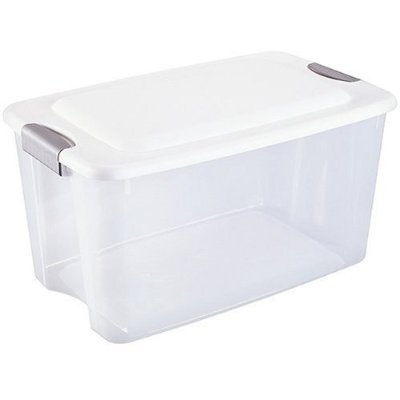
When I finally got an apartment with some storage place, I bought about a dozen plastic bins from Costco.  Mine are a lot like the one above, but with hinged tops.  They cost about $6 each.  When it’s time to put away winter clothes, that’s what I use. 
I start by making a pile of all the stuff I absolutely won’t wear in the off-season.  That means white pants, white shoes, sandals, linen, seersucker and shorts for the winter and wool ties, heavy sweaters, seasonal sweaters, overcoats, bulky jackets, and tweedy sportcoats for summer.  They go in the boxes, usually with a packet of some kind of anti-moth stuff; moths aren’t a huge problem around here, but I’d hate to find my wool got eaten.
I fold my stuff carefully on the way in, and find it doesn’t usually need much more than a hang-up to straighten out.  Sometimes I’ll send it out to the cleaner after I hang it up, but I dry-clean my woolens pretty rarely, so sometimes I don’t bother.

Q and Answer: How Do I Store My Clothes?

Andy writes: I don’t have the most closet space in the world, and the more clothing I get, the less room I have. I also live on the East Coast where we have 4 distinct seasons. Do you have advice on how to store your seasonally inappropriate clothes, and which clothes do you leave out all year long?

When I finally got an apartment with some storage place, I bought about a dozen plastic bins from Costco.  Mine are a lot like the one above, but with hinged tops.  They cost about $6 each.  When it’s time to put away winter clothes, that’s what I use. 

I start by making a pile of all the stuff I absolutely won’t wear in the off-season.  That means white pants, white shoes, sandals, linen, seersucker and shorts for the winter and wool ties, heavy sweaters, seasonal sweaters, overcoats, bulky jackets, and tweedy sportcoats for summer.  They go in the boxes, usually with a packet of some kind of anti-moth stuff; moths aren’t a huge problem around here, but I’d hate to find my wool got eaten.

I fold my stuff carefully on the way in, and find it doesn’t usually need much more than a hang-up to straighten out.  Sometimes I’ll send it out to the cleaner after I hang it up, but I dry-clean my woolens pretty rarely, so sometimes I don’t bother.