What I Learned From My Father
Recently Max Wastler of All Plaid Out asked me to write a brief piece about what I’d learned from my father. The result has almost nothing to do with clothes, but I thought I’d share it here. Above: my father and I in 1981.
My father was homeless when I was conceived. That’s something I found out recently.
I knew he’d been without a home and had even lived on the street a little, but I didn’t know that particular circumstance of my origin story. It’s true, though: In 1980, when my parents first met, he was a homeless alcoholic and drug user, suffering from severe post-traumatic stress disorder. You can see how maybe my parents’ marriage, which happened after the events of my conception, didn’t go well. In fact, it went about as poorly as a marriage without physical violence could possibly go. They divorced before I remember.
But my father isn’t the villain of this story. Far from it. He is the hero. This is a father’s day appreciation, after all.
Here’s the thing: my father grew up in an abusive home. He tried to escape by enlisting in the navy at the beginning of the war in Southeast Asia, and his two years in the service further scarred him. In many ways, by the time he was 22 or so, when most people are just hitting their stride, he was broken. He drank, used drugs, and generally didn’t have control of his life for the next twenty years.
When I say he didn’t control his life, I don’t mean to say completely. He was using and drinking and making a lot of mistakes, but he participated in some amazing things as well. When he got back from the war, he helped found an organization called Veterans for Peace. Along with a group called Vietnam Veterans Against the War, they helped provide a voice for veterans in the peace movement. People who knew what war really was were speaking up against war for the first time. He was beaten and arrested many times. It was a brave thing to do.
But by 1980, when I was conceived, he was at a low point. His first marriage had long since broken up. He’d struggled to hold a job. His PTSD and alcoholism were running his life. And he was entering his late thirties. He could see the path down which he was headed: at the end of this abuse would have been an early death.
From what I’ve heard, my mother told him he didn’t have to be involved in my life. She just wanted a baby, by whatever means necessary. She was prepared to raise me herself if that’s what it took. She’s told me since then that she had visions of me in the clouds — literally in the clouds. She’s not generally the type to have visions, but she was serious about this baby project. He could have just left.
So that’s where my dad was thirty-some years ago, when I came into the world. Moving from homelessness to a bad marriage. Alcoholic. Intermittenly employed and generally unemployable.
But like I said: this is a tribute to my dad.
Because the quality that I admire most in my father is his commitment to being better.
My dad got clean around the time he divorced from my mother, when I was a toddler. I still remember going to AA meetings with him. They had joint custody, but he couldn’t afford a babysitter. He liked to go to vets’ meetings, which in our neighborhood, the Mission in San Francisco, usually meant that half or so of the attendees didn’t have a place to live. While I colored in the corner, they’d talk about the low points of their lives, both at war and with drink. Even then, I think, I understood that my dad was learning to be better.
His PTSD was always part of my life. I’m not sure when I figured out that other kids’ dads didn’t jump out of their chairs when the ground rumbled from a grocery truck passing outside. Sometimes I would stand next to my dad as he was lost in the newspaper, and I’d yell at the top of my lungs in an unsuccesful effort to break into his private world. When something went wrong between us, he was like a prosecutor, his PTSD-paranoia in full flight, tearing me apart. It could be very, very scary.
But he was working so hard to be better. I remember once when I was thirteen or so, we were in a screaming match in the kitchen. When he was zeroed in on his target, he was unstoppable, undistractable, undivertable. With one hand, he pushed me back into the wall, six or eight inches. Honestly, it was quite a fight, but not much of a push.
A few hours later, he came into my room and apologized. A sincere, full-throated apology. He knew I hadn’t been hurt or anything, but he also knew that he was wrong, and wanted to make sure I knew that, too. It was something that in the moment, when we were screaming, would have been unthinkable. He was trying hard to be better.
When I was ten or twelve, he founded an organization called Jhai. The world, in Lao, means hearts and minds working together. He had met and befirended a Laotian woman who was a refugee from the part of Laos his aircraft carrier had bombed during the war. He started by bringing medical supplies to the village where her family lived, and over years helped the people he had so horribly wronged build community-owned schools and get access to communications infrastructre.
He called his process reconcialiation-based development. He was reconciling with these people who’d fled the bombs he loaded, but I think he was also reconciling within himself. It wasn’t a matter of doing penance. It was about being better today than he was yesterday.
My father told me that after his first visit to Laos, he slept through the night for the first time since he was a teenager. He didn’t sleep through the night every night thereafter, but he got better. These days, he tells me that walking is what helps him most. He does what he needs to do.
I wouldn’t wish PTSD upon anyone, nor addiction. And I wouldn’t wish a parent who suffered from them on any child. I can say, though, that I don’t wish for any father but the one I have.
Even when things were as horrible as they could be, when he was fighting my mother in court and fighting with me at home and struggling with his awful diseases visibly every day, I never doubted that my father loved me. I never doubted that he wanted me. I never doubted that he supported me becoming the man I wanted to be. And I never doubted that for my sake, he wanted to be better each day than he had been the day before.
I try to live my life by that example. Thank you, dad.

What I Learned From My Father

Recently Max Wastler of All Plaid Out asked me to write a brief piece about what I’d learned from my father. The result has almost nothing to do with clothes, but I thought I’d share it here. Above: my father and I in 1981.

My father was homeless when I was conceived. That’s something I found out recently.

I knew he’d been without a home and had even lived on the street a little, but I didn’t know that particular circumstance of my origin story. It’s true, though: In 1980, when my parents first met, he was a homeless alcoholic and drug user, suffering from severe post-traumatic stress disorder. You can see how maybe my parents’ marriage, which happened after the events of my conception, didn’t go well. In fact, it went about as poorly as a marriage without physical violence could possibly go. They divorced before I remember.

But my father isn’t the villain of this story. Far from it. He is the hero. This is a father’s day appreciation, after all.

Here’s the thing: my father grew up in an abusive home. He tried to escape by enlisting in the navy at the beginning of the war in Southeast Asia, and his two years in the service further scarred him. In many ways, by the time he was 22 or so, when most people are just hitting their stride, he was broken. He drank, used drugs, and generally didn’t have control of his life for the next twenty years.

When I say he didn’t control his life, I don’t mean to say completely. He was using and drinking and making a lot of mistakes, but he participated in some amazing things as well. When he got back from the war, he helped found an organization called Veterans for Peace. Along with a group called Vietnam Veterans Against the War, they helped provide a voice for veterans in the peace movement. People who knew what war really was were speaking up against war for the first time. He was beaten and arrested many times. It was a brave thing to do.

But by 1980, when I was conceived, he was at a low point. His first marriage had long since broken up. He’d struggled to hold a job. His PTSD and alcoholism were running his life. And he was entering his late thirties. He could see the path down which he was headed: at the end of this abuse would have been an early death.

From what I’ve heard, my mother told him he didn’t have to be involved in my life. She just wanted a baby, by whatever means necessary. She was prepared to raise me herself if that’s what it took. She’s told me since then that she had visions of me in the clouds — literally in the clouds. She’s not generally the type to have visions, but she was serious about this baby project. He could have just left.

So that’s where my dad was thirty-some years ago, when I came into the world. Moving from homelessness to a bad marriage. Alcoholic. Intermittenly employed and generally unemployable.

But like I said: this is a tribute to my dad.

Because the quality that I admire most in my father is his commitment to being better.

My dad got clean around the time he divorced from my mother, when I was a toddler. I still remember going to AA meetings with him. They had joint custody, but he couldn’t afford a babysitter. He liked to go to vets’ meetings, which in our neighborhood, the Mission in San Francisco, usually meant that half or so of the attendees didn’t have a place to live. While I colored in the corner, they’d talk about the low points of their lives, both at war and with drink. Even then, I think, I understood that my dad was learning to be better.

His PTSD was always part of my life. I’m not sure when I figured out that other kids’ dads didn’t jump out of their chairs when the ground rumbled from a grocery truck passing outside. Sometimes I would stand next to my dad as he was lost in the newspaper, and I’d yell at the top of my lungs in an unsuccesful effort to break into his private world. When something went wrong between us, he was like a prosecutor, his PTSD-paranoia in full flight, tearing me apart. It could be very, very scary.

But he was working so hard to be better. I remember once when I was thirteen or so, we were in a screaming match in the kitchen. When he was zeroed in on his target, he was unstoppable, undistractable, undivertable. With one hand, he pushed me back into the wall, six or eight inches. Honestly, it was quite a fight, but not much of a push.

A few hours later, he came into my room and apologized. A sincere, full-throated apology. He knew I hadn’t been hurt or anything, but he also knew that he was wrong, and wanted to make sure I knew that, too. It was something that in the moment, when we were screaming, would have been unthinkable. He was trying hard to be better.

When I was ten or twelve, he founded an organization called Jhai. The world, in Lao, means hearts and minds working together. He had met and befirended a Laotian woman who was a refugee from the part of Laos his aircraft carrier had bombed during the war. He started by bringing medical supplies to the village where her family lived, and over years helped the people he had so horribly wronged build community-owned schools and get access to communications infrastructre.

He called his process reconcialiation-based development. He was reconciling with these people who’d fled the bombs he loaded, but I think he was also reconciling within himself. It wasn’t a matter of doing penance. It was about being better today than he was yesterday.

My father told me that after his first visit to Laos, he slept through the night for the first time since he was a teenager. He didn’t sleep through the night every night thereafter, but he got better. These days, he tells me that walking is what helps him most. He does what he needs to do.

I wouldn’t wish PTSD upon anyone, nor addiction. And I wouldn’t wish a parent who suffered from them on any child. I can say, though, that I don’t wish for any father but the one I have.

Even when things were as horrible as they could be, when he was fighting my mother in court and fighting with me at home and struggling with his awful diseases visibly every day, I never doubted that my father loved me. I never doubted that he wanted me. I never doubted that he supported me becoming the man I wanted to be. And I never doubted that for my sake, he wanted to be better each day than he had been the day before.

I try to live my life by that example. Thank you, dad.

What Is Balance?
If you’ve ever participated in online forums about classic men’s clothing, you may have come across people talking about a jacket’s “balance.” But what is balance? Sometimes, it’s a nebulous concept - just a way of someone saying whether they think a jacket looks off or not. Most of the time, however, it refers to something very specific: how a jacket hangs from the shoulders.
To understand this, you have to remember that a jacket takes on the shape of our bodies, so our unique contours and posture will affect how it fits. Which is why if you take two men with the same chest size, the same jacket can look very different on each of them.
There are two aspects to a jacket’s balance. The first is how the front and back lengths relate to each other. Very simply, if you look at a man from his side, the front hem of his jacket should be either roughly even with his back, or it can be slightly longer. The back, generally speaking, should never be longer than the front. If it is, you may see the quarters of the coat (the area of the front below the buttoning point) hike up and possibly “swing inward.”  
This can happen for a number of reasons. One might be that the person stands too erect, so the back essentially “dips down” while the front “hikes up.” It may also be that the person has a very large stomach, so the front of the jacket doesn’t have enough material to cover that area without disturbing how the jacket hangs.
The opposite of this is also possible. Someone might have prominent shoulder blades or stand with a stoop. In this case, he’ll need a bit more length in the back and less in the front. Otherwise, the quarters of his jacket might fall away towards his hips and the vents at the back might gape.
The second aspect of balance refers to how the left and right sides of a jacket relate to each other. Similarly, these should also be aligned. This might seem like it should occur naturally, but certain things can complicate it. If your right shoulder is considerably lower than your left (which is very common, by the way), you’ll notice that everything on the right side of your jacket will also be dropped accordingly.
Fixing this isn’t as easy as just adding length to the right side or taking away some on the left, however. It’s not just the hem that’s affected, it’s everything on the right – the way the left and right pockets align with each other, the notches on your lapels, as well as the buttons and buttonholes. A tailor can fix this for you, but it helps to know what to look for in order to assess whether a jacket fits you correctly.
All this can seem confusing and complicated if you’ve never thought about these concepts. In the end, however, you can simply think of it like this: if someone were to view you from the side, the front and back of your jacket should be even, or the front can be slightly longer than the back. You can examine this by seeing how the hem aligns. Similarly, when viewed from the front, the left and right sides of your jacket’s hem should be roughly even as well. If they’re not, it can be said that your jacket’s balance is off.  
(Photo via Voxsartoria)

What Is Balance?

If you’ve ever participated in online forums about classic men’s clothing, you may have come across people talking about a jacket’s “balance.” But what is balance? Sometimes, it’s a nebulous concept - just a way of someone saying whether they think a jacket looks off or not. Most of the time, however, it refers to something very specific: how a jacket hangs from the shoulders.

To understand this, you have to remember that a jacket takes on the shape of our bodies, so our unique contours and posture will affect how it fits. Which is why if you take two men with the same chest size, the same jacket can look very different on each of them.

There are two aspects to a jacket’s balance. The first is how the front and back lengths relate to each other. Very simply, if you look at a man from his side, the front hem of his jacket should be either roughly even with his back, or it can be slightly longer. The back, generally speaking, should never be longer than the front. If it is, you may see the quarters of the coat (the area of the front below the buttoning point) hike up and possibly “swing inward.”  

This can happen for a number of reasons. One might be that the person stands too erect, so the back essentially “dips down” while the front “hikes up.” It may also be that the person has a very large stomach, so the front of the jacket doesn’t have enough material to cover that area without disturbing how the jacket hangs.

The opposite of this is also possible. Someone might have prominent shoulder blades or stand with a stoop. In this case, he’ll need a bit more length in the back and less in the front. Otherwise, the quarters of his jacket might fall away towards his hips and the vents at the back might gape.

The second aspect of balance refers to how the left and right sides of a jacket relate to each other. Similarly, these should also be aligned. This might seem like it should occur naturally, but certain things can complicate it. If your right shoulder is considerably lower than your left (which is very common, by the way), you’ll notice that everything on the right side of your jacket will also be dropped accordingly.

Fixing this isn’t as easy as just adding length to the right side or taking away some on the left, however. It’s not just the hem that’s affected, it’s everything on the right – the way the left and right pockets align with each other, the notches on your lapels, as well as the buttons and buttonholes. A tailor can fix this for you, but it helps to know what to look for in order to assess whether a jacket fits you correctly.

All this can seem confusing and complicated if you’ve never thought about these concepts. In the end, however, you can simply think of it like this: if someone were to view you from the side, the front and back of your jacket should be even, or the front can be slightly longer than the back. You can examine this by seeing how the hem aligns. Similarly, when viewed from the front, the left and right sides of your jacket’s hem should be roughly even as well. If they’re not, it can be said that your jacket’s balance is off.  

(Photo via Voxsartoria)

The Man Who Thrifted A Ferrari
Who’d have thought you could thrift a Ferrari?
Matthew R. is an inveterate thrifter. He says he works seventy hours a week, and he’s been buying and selling second-hand clothes since 1998. Not long ago, he started a consignment service, Luxeswap, and not only do their auctions often crop up in our eBay picks, but I’ve personally trusted him to consign a number of clothes in the past. He’s one of the best menswear sellers on eBay. But truly: I had no idea.
This week, Matthew bought a Ferrari. With thrift store money.
Here’s how it happened…
Matthew started thrifting in the late nineties, and quickly learned that when he found something good that didn’t fit him, he could sell it on eBay and make a little dough. The first item was an Emporio Armani sportcoat. It sold for fifty bucks. Like most of us, Matthew took the extra money and spent it on clothes and small indulgences.
In 2007, he read a book called One Red Paperclip. It was written by a man, Kyle MacDonald, who traded a paperclip for a pen for a doorknob for a camping stove and on and on for a year until he had traded for a new house. Matthew thought: how could I turn my own little hobby into something special?
So he started a savings account.
His business money went into a business account. His personal money - the money from his own personal purchases - went into the savings account. And year after year, that money grew.
Then, last week, he took the money and bought a Ferrari.
Matthew says: “This car was born of things that nobody else wanted. Things that people discarded. I wanted to be able to say I thrifted a Ferrari. And I did.”
A genuinely remarkable achievement.

The Man Who Thrifted A Ferrari

Who’d have thought you could thrift a Ferrari?

Matthew R. is an inveterate thrifter. He says he works seventy hours a week, and he’s been buying and selling second-hand clothes since 1998. Not long ago, he started a consignment service, Luxeswap, and not only do their auctions often crop up in our eBay picks, but I’ve personally trusted him to consign a number of clothes in the past. He’s one of the best menswear sellers on eBay. But truly: I had no idea.

This week, Matthew bought a Ferrari. With thrift store money.

Here’s how it happened…

Matthew started thrifting in the late nineties, and quickly learned that when he found something good that didn’t fit him, he could sell it on eBay and make a little dough. The first item was an Emporio Armani sportcoat. It sold for fifty bucks. Like most of us, Matthew took the extra money and spent it on clothes and small indulgences.

In 2007, he read a book called One Red Paperclip. It was written by a man, Kyle MacDonald, who traded a paperclip for a pen for a doorknob for a camping stove and on and on for a year until he had traded for a new house. Matthew thought: how could I turn my own little hobby into something special?

So he started a savings account.

His business money went into a business account. His personal money - the money from his own personal purchases - went into the savings account. And year after year, that money grew.

Then, last week, he took the money and bought a Ferrari.

Matthew says: “This car was born of things that nobody else wanted. Things that people discarded. I wanted to be able to say I thrifted a Ferrari. And I did.”

A genuinely remarkable achievement.

Professionalism
Several years ago, I started reading Put This On and started to think with slightly more purpose about how I dressed at work because I wanted to be taken more seriously at work. I felt that people treated me with professional sincerity when I didn’t dress like I walked out of a dorm room. How I looked, acted and communicated was a big part of establishing trust with those I met.
I had an experience recently that reminded me about why dressing professionally can be important.
A week ago, I drove from Chicago to Monterey Bay in California, with my car packed full of boxes, bags and a bird cage with my pet cockatiel — Rico — who I’ve had since middle school. I’ve always lived with my bird, who spent most of my college and professional years with me. I didn’t think twice about bringing her across the country with me, driving along I-80 toward a new career and home.
Traveling with a pet bird isn’t easy, but it can be done — at least what I’d read online. Put them in a smaller cage, cover the cage with a blanket to keep them from freaking out, make sure they have food and water.
But what I should’ve known, but didn’t realize was that a short trip of a few hours is vastly different than a multi-day trip of 14 hours driving per day. On the latter half of the second day, my bird wasn’t talking and had her eyes closed. I wrongly assumed she was merely tired.
I later found out that she was showing the physical signs of stress and slowly dying. She wasn’t eating. She wasn’t drinking water from the bottle at I placed up to her beak. She didn’t even respond to me when I rubbed the back of her neck.
I arrived in Monterey late Thursday and found her dead on the bottom of her cage. In the darkness of the drive, I hadn’t noticed she had passed. I felt guilty and angry with myself. I cried.
The next day I sought out a pet cremation services company. I arrived at their office, located in an industrial park, and walked in carrying a small shoebox that my Airbnb host the night before had provided me to transport her body. The office was decorated much like a funeral parlor would be. Inspirational posters about death and heaven. Urns on shelves. A round table with a box of tissues on it.
And then there was the man who greeted me. He was very empathetic and seemed like a nice guy who had the unfortunate job of meeting people like myself who arrive with lifeless pets they’ve known longer than any real human friend.
As he filled out an intake form and talked about the various options, my eyes kept drawing back to one thing about him: he was wearing a Hooters T-shirt.
I kept thinking, “This is the person I’m trusting with the cremation of my pet?”
I’d like to think I’m not a very judgmental person, but there are times in your life you want to feel like you trust someone’s professionalism in their job. And in some cases they really only get once chance with you for you to feel at ease, knowing the job will get done correctly.
How a person dresses isn’t and shouldn’t be the only way you judge their professionalism, but it’s a part of it. It’s the first impression and in some cases can even be a distraction when you see the words “Delightfully tacky, yet unrefined” while you’re trying to think of which box you want your pet’s ashes placed into for eternity.
Dressing appropriately is a part of demonstrating professionalism. It doesn’t mean wearing a jacket and tie, but it does mean showing a sense of taste to remove barriers of doubt about whether you can be trusted.
-Kiyoshi

Professionalism

Several years ago, I started reading Put This On and started to think with slightly more purpose about how I dressed at work because I wanted to be taken more seriously at work. I felt that people treated me with professional sincerity when I didn’t dress like I walked out of a dorm room. How I looked, acted and communicated was a big part of establishing trust with those I met.

I had an experience recently that reminded me about why dressing professionally can be important.

A week ago, I drove from Chicago to Monterey Bay in California, with my car packed full of boxes, bags and a bird cage with my pet cockatiel — Rico — who I’ve had since middle school. I’ve always lived with my bird, who spent most of my college and professional years with me. I didn’t think twice about bringing her across the country with me, driving along I-80 toward a new career and home.

Traveling with a pet bird isn’t easy, but it can be done — at least what I’d read online. Put them in a smaller cage, cover the cage with a blanket to keep them from freaking out, make sure they have food and water.

But what I should’ve known, but didn’t realize was that a short trip of a few hours is vastly different than a multi-day trip of 14 hours driving per day. On the latter half of the second day, my bird wasn’t talking and had her eyes closed. I wrongly assumed she was merely tired.

I later found out that she was showing the physical signs of stress and slowly dying. She wasn’t eating. She wasn’t drinking water from the bottle at I placed up to her beak. She didn’t even respond to me when I rubbed the back of her neck.

I arrived in Monterey late Thursday and found her dead on the bottom of her cage. In the darkness of the drive, I hadn’t noticed she had passed. I felt guilty and angry with myself. I cried.

The next day I sought out a pet cremation services company. I arrived at their office, located in an industrial park, and walked in carrying a small shoebox that my Airbnb host the night before had provided me to transport her body. The office was decorated much like a funeral parlor would be. Inspirational posters about death and heaven. Urns on shelves. A round table with a box of tissues on it.

And then there was the man who greeted me. He was very empathetic and seemed like a nice guy who had the unfortunate job of meeting people like myself who arrive with lifeless pets they’ve known longer than any real human friend.

As he filled out an intake form and talked about the various options, my eyes kept drawing back to one thing about him: he was wearing a Hooters T-shirt.

I kept thinking, “This is the person I’m trusting with the cremation of my pet?”

I’d like to think I’m not a very judgmental person, but there are times in your life you want to feel like you trust someone’s professionalism in their job. And in some cases they really only get once chance with you for you to feel at ease, knowing the job will get done correctly.

How a person dresses isn’t and shouldn’t be the only way you judge their professionalism, but it’s a part of it. It’s the first impression and in some cases can even be a distraction when you see the words “Delightfully tacky, yet unrefined” while you’re trying to think of which box you want your pet’s ashes placed into for eternity.

Dressing appropriately is a part of demonstrating professionalism. It doesn’t mean wearing a jacket and tie, but it does mean showing a sense of taste to remove barriers of doubt about whether you can be trusted.

-Kiyoshi

The OCBD Shirt Series, Part VI: Our Recommendations
After reviewing so many companies, we thought it’d be useful to say which we recommend the most. Obviously much depends on your taste, build, and budget. The great thing about having such a varied market, however, is that there’s almost something for everyone. 
If you want something traditional, I recommend either Mercer & Sons or O’Connell’s. Mercer & Sons has a great oxford cloth that’s a bit more variegated in color and nubby in texture than the standard stuff you’d find at Brooks Brothers or J. Press. They also have a fully sized, unlined collar that gives the kind of wrinkly, carefree roll that enthusiasts find so charming. The only problem is that Mercer & Sons’ shirts fit very, very full, so you if you use them, you may have to turn to their made-to-order service. That’s where you can size the body down two and taper it further by two or four inches. To find out if this might work for you, email Mercer and ask for their shirt measurements.
The other exceptional option is O’Connell’s, who has one of the best button down collars I’ve seen. Ethan there tells me that they’re also working on a new model based on mid-century Brooks Brothers designs. That should be released sometime by the end of this year, and we’ll be certain to announce it when it does.
For something slim fitting, I really like Kamakura. They make two fits – a regular cut and a slim fit. I suspect the slim fit is just the regular cut, but with darts in the back. Admittedly, darts look a bit strange to me on an OCBD, but the body of the shirt still fits fairly well, so long as you have a slim stomach. Either way, both the regular and slim fits have great looking collars. See it worn here at Ivy Style.
You may also want to consider Brooks Brothers’ slim and extra-slim fits once they go on sale. I like Kamakura’s shirts better, but on the downside, they never go on sale. Brooks Brothers’ oxfords, on the other hand, regularly get discounted to about $50 a pop.
Conversely, if money is no object, you can check out Harry Stedman, who makes a pretty nice design from a hodgepodge of classic American details. Just note that they fit pretty slim, so if you’re a regular 36, you may want to opt for a 38 or simply a size small.  
If you want something dressy, try Ledbury. Theirs isn’t a conventional OCBD like the others we’ve covered here. The fabric is a smoother Thomas Mason cloth that’s somewhat reminiscent of Royal Oxford, and the shirt doesn’t have details such as box pleats or chest pockets. All in all, it’s just a dressier looking shirt, which can be good depending on what you’re going for. 
For something affordable, I like Land’s End’s tailored fit oxfords. Their fabric feels better than what Uniqlo and Lands’ End Canvas offers, and the fit isn’t as trendy. Though, depending on your style, Uniqlo and Lands’ End Canvas’ slimmer fits and shorter collars might work better for you. Either way, be sure to wait for sales. Lands’ End oxfords can be had for about $30 or $35, while Uniqlo and Lands’ End Canvas will often be sold for about $20.
Finally, if you want to get something custom made, I can recommend Cottonwork and Ascot Chang from personal experience. Cottonwork, as I’ve noted, does online made to measure, while Ascot Chang does full bespoke. The second tends to have an advantage in terms of executing an ideal fit, but the first will be considerably more affordable. Both do good work, however. You may also want to look into other custom shirtmakers, such as CEGO, Geneva, Anto, Dege & Skinner, and many others. Check StyleForum for recommendations, and perhaps acquaint yourself with the process of buying custom shirts through these posts I wrote last year. 

The OCBD Shirt Series, Part VI: Our Recommendations

After reviewing so many companies, we thought it’d be useful to say which we recommend the most. Obviously much depends on your taste, build, and budget. The great thing about having such a varied market, however, is that there’s almost something for everyone. 

If you want something traditional, I recommend either Mercer & Sons or O’Connell’s. Mercer & Sons has a great oxford cloth that’s a bit more variegated in color and nubby in texture than the standard stuff you’d find at Brooks Brothers or J. Press. They also have a fully sized, unlined collar that gives the kind of wrinkly, carefree roll that enthusiasts find so charming. The only problem is that Mercer & Sons’ shirts fit very, very full, so you if you use them, you may have to turn to their made-to-order service. That’s where you can size the body down two and taper it further by two or four inches. To find out if this might work for you, email Mercer and ask for their shirt measurements.

The other exceptional option is O’Connell’s, who has one of the best button down collars I’ve seen. Ethan there tells me that they’re also working on a new model based on mid-century Brooks Brothers designs. That should be released sometime by the end of this year, and we’ll be certain to announce it when it does.

For something slim fitting, I really like Kamakura. They make two fits – a regular cut and a slim fit. I suspect the slim fit is just the regular cut, but with darts in the back. Admittedly, darts look a bit strange to me on an OCBD, but the body of the shirt still fits fairly well, so long as you have a slim stomach. Either way, both the regular and slim fits have great looking collars. See it worn here at Ivy Style.

You may also want to consider Brooks Brothers’ slim and extra-slim fits once they go on sale. I like Kamakura’s shirts better, but on the downside, they never go on sale. Brooks Brothers’ oxfords, on the other hand, regularly get discounted to about $50 a pop.

Conversely, if money is no object, you can check out Harry Stedman, who makes a pretty nice design from a hodgepodge of classic American details. Just note that they fit pretty slim, so if you’re a regular 36, you may want to opt for a 38 or simply a size small.  

If you want something dressy, try Ledbury. Theirs isn’t a conventional OCBD like the others we’ve covered here. The fabric is a smoother Thomas Mason cloth that’s somewhat reminiscent of Royal Oxford, and the shirt doesn’t have details such as box pleats or chest pockets. All in all, it’s just a dressier looking shirt, which can be good depending on what you’re going for. 

For something affordable, I like Land’s End’s tailored fit oxfords. Their fabric feels better than what Uniqlo and Lands’ End Canvas offers, and the fit isn’t as trendy. Though, depending on your style, Uniqlo and Lands’ End Canvas’ slimmer fits and shorter collars might work better for you. Either way, be sure to wait for sales. Lands’ End oxfords can be had for about $30 or $35, while Uniqlo and Lands’ End Canvas will often be sold for about $20.

Finally, if you want to get something custom made, I can recommend Cottonwork and Ascot Chang from personal experience. Cottonwork, as I’ve noted, does online made to measure, while Ascot Chang does full bespoke. The second tends to have an advantage in terms of executing an ideal fit, but the first will be considerably more affordable. Both do good work, however. You may also want to look into other custom shirtmakers, such as CEGO, Geneva, Anto, Dege & Skinner, and many others. Check StyleForum for recommendations, and perhaps acquaint yourself with the process of buying custom shirts through these posts I wrote last year

A Visit to B. Black & Sons: The Last Tailor Supplier in Los Angeles

I needed a few buttons for a coat my tailor’s making. He didn’t have any natural ones on hand, so I eagerly volunteered to visit one of my favorite shops in Los Angeles to pick some up: B. Black & Sons.

B. Black is an old-school establishment if ever such a thing there was. In a sea of shops selling cut-rate electronics and baby turtles in plastic terrariums, it’s an island of Los Angeles, circa 1922. Which is when it was founded, by the way.

There are tons of fabric shops in Los Angeles’ garment district, but they’re largely of the sort that features a proprietor claiming a bolt of Chinese polyester is real silk, despite an $8 a yard price tag. B. Black is a tailor’s store. They don’t sell cotton chintz for children’s curtains. They sell men’s fabric. Suiting, stuff for overcoats, a little bit of linen. Plus shoulder pads, shears, zippers and other tailoring essentials.

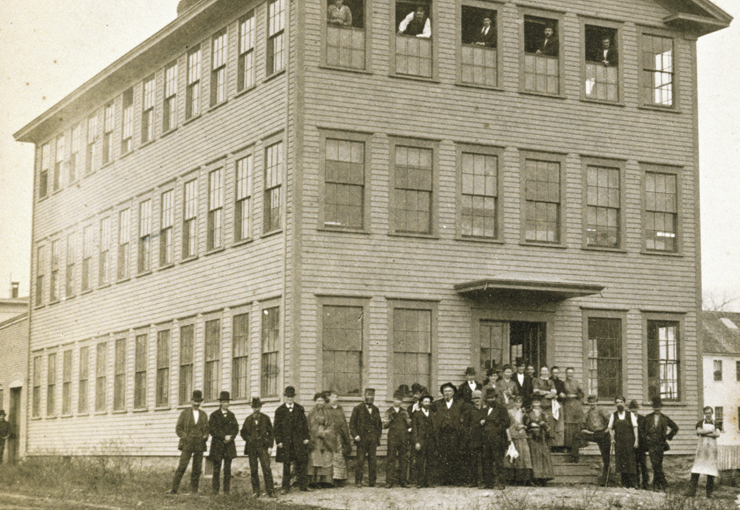
I walked out with a few fabric remnants that will likely end up as pocket squares in our shop, a set of buttons, and the pictures you see above.

(Source: jessethorn)

Accessorizing Your Way Out
One of the most common mistakes men make when trying to dress well is believing that all their outfit needs is something to make it “pop.” I imagine what happens is this: a man looks at himself in the morning, doesn’t like what he sees, and thinks what could make him look better is a more “original” tie. The new tie unfortunately doesn’t do anything, so he puts some knick-knack into his jacket’s lapel hole. That again doesn’t solve anything, so he swaps out his leather watchband for NATO strap. Still unsatisfied, he puts on a bracelet, a scarf, a funkier belt, an unusual hat, and then stuffs a smoking pipe into his jacket’s breast pocket for final effect. At that point, he runs out of accessories, so he leaves to face the day.
The problem with this is that it ignores why the ensemble was unsatisfying in the first place. Nine times out of ten, it’s because his clothes don’t fit well, and they won’t fit any better just because there are a dozen accessories layered over them. Maybe they’ll distract the viewer from the ill-fitting clothes, but not to any positive effect.
If your clothes fit well, you can dress quite simply. Matt Damon, who played the main character in The Talented Mr. Ripley, demonstrates this in the photo above. The original French version of that film, Purple Noon, also had men in very simple outfits, but still looking quite sharp. With a pair of trousers, shoes, socks, and just a basic shirt – so long as the fit is impeccable – you will look good.
This is not to say that unusual accessories can’t sometimes add character. Indeed, they can. But it’s a mistake to look at photos online or in magazines and think that what makes any particular man look good is a bracelet or some piece of bauble. On the contrary, those are just icings on the cake (the rake?). At the foundation, these men look good because their clothes fit well, and unless yours do too, there is no accessory that will change that fact. In other words, you can’t accessorize your way out of a bad fit. 
Which is why, if you’re just starting to build a wardrobe, you should focus on the best fitting basics you can. A perfectly fitting navy sport coat will be better than five in the closet that are slightly off. That navy jacket can be worn multiple times a week without anyone noticing, and the resulting outfits can be made to look different by relying on a very minimal neckwear collection. Similarly, a pair of chinos, jeans, and two grey wool trousers can be relied upon multiple times a week, but they must fit excellently. Spending as much as you can on just three to five pairs of pants will be smarter than having fifteen that are too slim or baggy for your build. Fit is the first requirement; stylistic details and accessories come after.

Accessorizing Your Way Out

One of the most common mistakes men make when trying to dress well is believing that all their outfit needs is something to make it “pop.” I imagine what happens is this: a man looks at himself in the morning, doesn’t like what he sees, and thinks what could make him look better is a more “original” tie. The new tie unfortunately doesn’t do anything, so he puts some knick-knack into his jacket’s lapel hole. That again doesn’t solve anything, so he swaps out his leather watchband for NATO strap. Still unsatisfied, he puts on a bracelet, a scarf, a funkier belt, an unusual hat, and then stuffs a smoking pipe into his jacket’s breast pocket for final effect. At that point, he runs out of accessories, so he leaves to face the day.

The problem with this is that it ignores why the ensemble was unsatisfying in the first place. Nine times out of ten, it’s because his clothes don’t fit well, and they won’t fit any better just because there are a dozen accessories layered over them. Maybe they’ll distract the viewer from the ill-fitting clothes, but not to any positive effect.

If your clothes fit well, you can dress quite simply. Matt Damon, who played the main character in The Talented Mr. Ripley, demonstrates this in the photo above. The original French version of that film, Purple Noon, also had men in very simple outfits, but still looking quite sharp. With a pair of trousers, shoes, socks, and just a basic shirt – so long as the fit is impeccable – you will look good.

This is not to say that unusual accessories can’t sometimes add character. Indeed, they can. But it’s a mistake to look at photos online or in magazines and think that what makes any particular man look good is a bracelet or some piece of bauble. On the contrary, those are just icings on the cake (the rake?). At the foundation, these men look good because their clothes fit well, and unless yours do too, there is no accessory that will change that fact. In other words, you can’t accessorize your way out of a bad fit. 

Which is why, if you’re just starting to build a wardrobe, you should focus on the best fitting basics you can. A perfectly fitting navy sport coat will be better than five in the closet that are slightly off. That navy jacket can be worn multiple times a week without anyone noticing, and the resulting outfits can be made to look different by relying on a very minimal neckwear collection. Similarly, a pair of chinos, jeans, and two grey wool trousers can be relied upon multiple times a week, but they must fit excellently. Spending as much as you can on just three to five pairs of pants will be smarter than having fifteen that are too slim or baggy for your build. Fit is the first requirement; stylistic details and accessories come after.

If I Could Speak to My Younger Self
In my time as a man interested in men’s clothing and style, I’ve made many mistakes, some of them very expensive. If I could speak to my younger self, I would give the following advice. Note, I don’t pretend these are universal truisms, but from my experience building a wardrobe, and seeing others go along the same path, I think these are more often true than not. So, if you’re just starting out, perhaps you will find these useful. 
1. Always prioritize quality over quantity. It’s better to have one perfect navy sport coat than five sport jackets that aren’t quite right. Better to have five pairs of truly nice shoes than ten that are mediocre. In the end, many of us will acquire wardrobes that are much bigger than what we need, and only wear 10% of what we have. It’s better to trade quantity for quality.  
2. Beware of accessories. Nice things such as sport coats and shoes are expensive, and it’s easy to stave off these purchases by picking up small accessories here and there. If you do, you’ll soon find that you have a hundred ties, but only three sport coats to wear them with. Beware of acquiring too many accessories. It’s better to save your money for things that will make a bigger impact.
3. Beware of sales. Clearance sales can often be false bargains. Psychology Today had a good post about why this is. If given the stark choice, it’s better to purchase things you truly love at full price, than to go for a sale that will only leave you wanting. (That said, shop smartly, as most things go on sale, but don’t buy something just because of the price).
4. Build a shopping list. Figure out your annual budget for clothes, make a list of what you truly need, and then decide how much you want to spend on each item. This will help you avoid the pitfalls #2 and #3 above, and make sure you’re building a wardrobe, not just a collection of clothes. It also helps discipline you to something I think is truly important: giving a purchase a few months worth of thought before actually pulling out the credit card.
5. Prioritize fit above everything else. By fit I don’t just mean whether something fits you well (shoulder seams end at the shoulders; collars stay on the neck; chest isn’t too big or tight; etc), but also whether the silhouette flatters you. Learn the difference between fit and silhouettes, and pay attention to both. Don’t buy something just because it’s on sale, has some trendy stylistic detail, or is made with the finest hand stitching in the world. If it doesn’t fit and flatter, all that means nothing.
6. Pay attention, then ignore, what other men are wearing. One of the best ways to learn how to dress is by paying attention to well-dressed men. At the same time, know that just because something looks great on someone else doesn’t mean it will look great on you. You may not have the same body type or live the same lifestyle. Take inspiration from good places, but also be honest about how something looks on you.
7. Take time to find your sense of style. Feel free to experiment, but do it slowly. A little dabbling here and there is fine, but if you jump in with both feet too quickly, you may find yourself purging what you have in a year or two. Finding your own sense of style will take years of maturity (literally) and a lot of honesty. Give yourself time.   
8. Don’t spend too much money in the beginning. “Buy less, buy better” is a good mantra to live by unless you’re just starting out. If you are, buying mid-quality things on sale can be a smart way to experiment here and there, as well as make sure your mistakes won’t be too costly. And yes, mistakes will be made.  
9. Dress coherently and simply. There are some men who dress with great success by having thing clash and layering dozens of items on themselves. However, I’ve found less is more, and harmony is better than chaos. Have a message and stick to something simple. 
10.  Be patient. If you can’t afford something today, learn how to scrimp, save, and shop slowly. You don’t need that big of a wardrobe anyway, and you certainly don’t need to acquire everything now. Patient, thoughtful wardrobe building will always win out over a hurried, excited shopping. Once you’ve gotten a good handle on your sense of style, imagine the wardrobe you want in five or seven years, and slowly work towards that. 
11. Don’t go to grad school. Oh wait, that’s for a different blog. Nevermind. Still, this is a good thing to tell my younger self. 

If I Could Speak to My Younger Self

In my time as a man interested in men’s clothing and style, I’ve made many mistakes, some of them very expensive. If I could speak to my younger self, I would give the following advice. Note, I don’t pretend these are universal truisms, but from my experience building a wardrobe, and seeing others go along the same path, I think these are more often true than not. So, if you’re just starting out, perhaps you will find these useful. 

1. Always prioritize quality over quantity. It’s better to have one perfect navy sport coat than five sport jackets that aren’t quite right. Better to have five pairs of truly nice shoes than ten that are mediocre. In the end, many of us will acquire wardrobes that are much bigger than what we need, and only wear 10% of what we have. It’s better to trade quantity for quality.  

2. Beware of accessories. Nice things such as sport coats and shoes are expensive, and it’s easy to stave off these purchases by picking up small accessories here and there. If you do, you’ll soon find that you have a hundred ties, but only three sport coats to wear them with. Beware of acquiring too many accessories. It’s better to save your money for things that will make a bigger impact.

3. Beware of sales. Clearance sales can often be false bargains. Psychology Today had a good post about why this is. If given the stark choice, it’s better to purchase things you truly love at full price, than to go for a sale that will only leave you wanting. (That said, shop smartly, as most things go on sale, but don’t buy something just because of the price).

4. Build a shopping list. Figure out your annual budget for clothes, make a list of what you truly need, and then decide how much you want to spend on each item. This will help you avoid the pitfalls #2 and #3 above, and make sure you’re building a wardrobe, not just a collection of clothes. It also helps discipline you to something I think is truly important: giving a purchase a few months worth of thought before actually pulling out the credit card.

5. Prioritize fit above everything else. By fit I don’t just mean whether something fits you well (shoulder seams end at the shoulders; collars stay on the neck; chest isn’t too big or tight; etc), but also whether the silhouette flatters you. Learn the difference between fit and silhouettes, and pay attention to both. Don’t buy something just because it’s on sale, has some trendy stylistic detail, or is made with the finest hand stitching in the world. If it doesn’t fit and flatter, all that means nothing.

6. Pay attention, then ignore, what other men are wearing. One of the best ways to learn how to dress is by paying attention to well-dressed men. At the same time, know that just because something looks great on someone else doesn’t mean it will look great on you. You may not have the same body type or live the same lifestyle. Take inspiration from good places, but also be honest about how something looks on you.

7. Take time to find your sense of style. Feel free to experiment, but do it slowly. A little dabbling here and there is fine, but if you jump in with both feet too quickly, you may find yourself purging what you have in a year or two. Finding your own sense of style will take years of maturity (literally) and a lot of honesty. Give yourself time.   

8. Don’t spend too much money in the beginning. “Buy less, buy better” is a good mantra to live by unless you’re just starting out. If you are, buying mid-quality things on sale can be a smart way to experiment here and there, as well as make sure your mistakes won’t be too costly. And yes, mistakes will be made.  

9. Dress coherently and simply. There are some men who dress with great success by having thing clash and layering dozens of items on themselves. However, I’ve found less is more, and harmony is better than chaos. Have a message and stick to something simple

10.  Be patient. If you can’t afford something today, learn how to scrimp, save, and shop slowly. You don’t need that big of a wardrobe anyway, and you certainly don’t need to acquire everything now. Patient, thoughtful wardrobe building will always win out over a hurried, excited shopping. Once you’ve gotten a good handle on your sense of style, imagine the wardrobe you want in five or seven years, and slowly work towards that. 

11. Don’t go to grad school. Oh wait, that’s for a different blog. Nevermind. Still, this is a good thing to tell my younger self. 

Proper Garment Care
Buying high quality garments, with the assumption that they’re built to last, only means something if you know how to take proper care of your clothes. Stuffing them into overcrowded closets or sending them off to bad dry cleaners will shorten their life considerably. Fortunately, taking care of your clothes doesn’t require much work. You can accomplish it with just a few minutes a day.
For suits and sport coats, dry cleaning twice a year should be sufficient for anything that’s only worn once or twice a week. Sending it in more often than that will shorten the life and ruin the look of a jacket. That’s because most dry cleaners use harsh chemicals and give hard pressings. You can, of course, use a high-quality cleaner that doesn’t employ such methods, but those will cost you more money.
For every day care, brush the dirt out with a soft bristled garment brush. This will prevent them from getting deep into the fabric, where friction can damage the fibers. It’ll also knock out any food bits that may attract moths. You can buy garment brushes from Kent, though sometimes slightly imperfect ones can be had for a bit cheaper on eBay. For something truly nice, Linkson Jack has some brushes backed with oxhorn.
To begin brushing, wipe down any large, unfinished wooden table, and lay your garment down on the surface. A polished table may be too slippery, so if you only have one of those, put your garment on a blanket or strip of felt so it won’t slide about. If this doesn’t work, you can also brush your garment while it’s on a hanger (though I find it’s harder to really bring some pressure to bear on the brush this way). While brushing, use short flicks of the wrist and always brush in the same direction. Never, ever scrub. You can first brush against the nap to remove any dirt, and then down the nap for a smooth finish. Some people even recommend dampening the brush with some water first for a bit of a freshening up, though I’ve never found the need to do this.
For wrinkles, you can let your jackets hang for a day or two. Heavy wools and linens should naturally relax over time. If you still need to sharpen them up, try using a garment steamer, but be careful to stay away from the seams and don’t go too wild with the device. Otherwise, you can ruin the stitching and take out the shape. Afterwards, hang your jacket on a hanger with flared shoulders. The Hanger Project makes the nicest ones I know of. The width and curvature of their shoulders most closely imitate a man’s natural shoulders, which is what you want. If you can’t afford them, however, Wooden Hanger USA sells some very nice options starting at $7.
If your jackets are finely constructed, you may also want to send them in for a hand press once a year or so. This will help restore their shape, which is often what gives a suit its flattering silhouette. Note, a hand press is different from a machine press. Most places will offer the second, even if they advertise it as the first. Machine presses take shape out; hand presses put shape in. If you can’t find someone in your area who can give you this service, you can send your jackets to Rave Fabricare.
For trousers, I recommend a similar treatment. Wools and linens go to the dry cleaner, though perhaps a bit more frequently than jackets since they tend to get dirty quicker. Still, we’re only talking about three or four times a year. You can brush out most of the dirt each day with a garment brush. Casual cotton chinos can be machine washed, though I also send my nicer, dressier cotton trousers to the dry cleaner. That includes dress chinos, moleskins, and corduroys. 
For sweaters, some cotton sweatshirts can be machine washed, but most sweaters will be better served by an at-home hand wash. This is a rather simple process, and Jesse covered the how-to two years ago in this post.
For shirts, pre-treat any stained collars and cuffs with Octagon Bar Soap. Soak your shirt in some water, rub the soap in, and scrub with a fingernail brush. Repeat until you see the dirt rings start fading. Then roll up your wet, soapy shirt and leave it overnight in a plastic bag so that it remains moist. The next day, just launder as usual. Alex Kabbaz, one of America’s best custom shirt makers, recommends Tide’s Unscented Original. I use Ecover, and mix in some Oxiclean if my shirts are extra dirty (as per Jesse’s recommendation). To protect the mother of pearl buttons, I sometimes button my shirts and turn them inside out.
For machine washes, you should always try to use the cold water, gentle cycle, but if you really need to treat stains, hot water for whites and warm water for light colors is often acceptable. Dark colors, however, should always be washed with cold water. After the wash, I strongly recommend hang drying. Machine dryers can take the humidity out of your fabrics, leaving them dull and brittle, which will eventually give them a premature worn-out appearance.
As always, make sure you always consult your garment’s care label for more instructions. They’ll usually at least tell you the bare minimum you have to adhere to.
(Photo from The Trad) 

Proper Garment Care

Buying high quality garments, with the assumption that they’re built to last, only means something if you know how to take proper care of your clothes. Stuffing them into overcrowded closets or sending them off to bad dry cleaners will shorten their life considerably. Fortunately, taking care of your clothes doesn’t require much work. You can accomplish it with just a few minutes a day.

For suits and sport coats, dry cleaning twice a year should be sufficient for anything that’s only worn once or twice a week. Sending it in more often than that will shorten the life and ruin the look of a jacket. That’s because most dry cleaners use harsh chemicals and give hard pressings. You can, of course, use a high-quality cleaner that doesn’t employ such methods, but those will cost you more money.

For every day care, brush the dirt out with a soft bristled garment brush. This will prevent them from getting deep into the fabric, where friction can damage the fibers. It’ll also knock out any food bits that may attract moths. You can buy garment brushes from Kent, though sometimes slightly imperfect ones can be had for a bit cheaper on eBay. For something truly nice, Linkson Jack has some brushes backed with oxhorn.

To begin brushing, wipe down any large, unfinished wooden table, and lay your garment down on the surface. A polished table may be too slippery, so if you only have one of those, put your garment on a blanket or strip of felt so it won’t slide about. If this doesn’t work, you can also brush your garment while it’s on a hanger (though I find it’s harder to really bring some pressure to bear on the brush this way). While brushing, use short flicks of the wrist and always brush in the same direction. Never, ever scrub. You can first brush against the nap to remove any dirt, and then down the nap for a smooth finish. Some people even recommend dampening the brush with some water first for a bit of a freshening up, though I’ve never found the need to do this.

For wrinkles, you can let your jackets hang for a day or two. Heavy wools and linens should naturally relax over time. If you still need to sharpen them up, try using a garment steamer, but be careful to stay away from the seams and don’t go too wild with the device. Otherwise, you can ruin the stitching and take out the shape. Afterwards, hang your jacket on a hanger with flared shoulders. The Hanger Project makes the nicest ones I know of. The width and curvature of their shoulders most closely imitate a man’s natural shoulders, which is what you want. If you can’t afford them, however, Wooden Hanger USA sells some very nice options starting at $7.

If your jackets are finely constructed, you may also want to send them in for a hand press once a year or so. This will help restore their shape, which is often what gives a suit its flattering silhouette. Note, a hand press is different from a machine press. Most places will offer the second, even if they advertise it as the first. Machine presses take shape out; hand presses put shape in. If you can’t find someone in your area who can give you this service, you can send your jackets to Rave Fabricare.

For trousers, I recommend a similar treatment. Wools and linens go to the dry cleaner, though perhaps a bit more frequently than jackets since they tend to get dirty quicker. Still, we’re only talking about three or four times a year. You can brush out most of the dirt each day with a garment brush. Casual cotton chinos can be machine washed, though I also send my nicer, dressier cotton trousers to the dry cleaner. That includes dress chinos, moleskins, and corduroys. 

For sweaters, some cotton sweatshirts can be machine washed, but most sweaters will be better served by an at-home hand wash. This is a rather simple process, and Jesse covered the how-to two years ago in this post.

For shirts, pre-treat any stained collars and cuffs with Octagon Bar Soap. Soak your shirt in some water, rub the soap in, and scrub with a fingernail brush. Repeat until you see the dirt rings start fading. Then roll up your wet, soapy shirt and leave it overnight in a plastic bag so that it remains moist. The next day, just launder as usual. Alex Kabbaz, one of America’s best custom shirt makers, recommends Tide’s Unscented Original. I use Ecover, and mix in some Oxiclean if my shirts are extra dirty (as per Jesse’s recommendation). To protect the mother of pearl buttons, I sometimes button my shirts and turn them inside out.

For machine washes, you should always try to use the cold water, gentle cycle, but if you really need to treat stains, hot water for whites and warm water for light colors is often acceptable. Dark colors, however, should always be washed with cold water. After the wash, I strongly recommend hang drying. Machine dryers can take the humidity out of your fabrics, leaving them dull and brittle, which will eventually give them a premature worn-out appearance.

As always, make sure you always consult your garment’s care label for more instructions. They’ll usually at least tell you the bare minimum you have to adhere to.

(Photo from The Trad

Nine SPREZZY STYLES Predicted By Our Experts!
Put This On’s Ultimate Sure-Thing Guide to Pitti Uomo Accessories
Every year, the menswear cognoscenti converge on Florence, Italy for an orgiastic style gorge-a-thon called Pitti Uomo. They’re always certain to bring their finest “duds,” and it’s a great place to spot the hottest emerging trends.
But why follow trends when you can make them? We’re not going to Pitti Uomo this year, because we have jobs and live in the real world with normal people, but we came up with some great ideas for future Pitti accessory trends! Check them out,  and soon you’ll be the coolest guy at the trade show!
Crampons. Leave one strap undone, just like Gianni Agnelli would have, had he worn fashion-oriented mountaineering gear.
Swords. Sabres, foils, epees, scimitars, who gives a shit? Swords!
Underpants. But they’re orange and you wear them over your pants.
Hobo Hats.The kind where the top is flipping up like the lid of a can of beans. 
AquaSox. But you wear them as earrings.  (These should be orange.)
Ice Cream Tie. Neopolitan.
Cigarette Holders. Super-long ones. Like Cruella De Ville.
Dalmatian-Fur Jackets. Also like Cruella De Ville.
Tiaras. Because this is your day.
Pocket squares. But they’re made out of cocaine. Also, they’re orange.
(Photo via GQ)

Nine SPREZZY STYLES Predicted By Our Experts!

Put This On’s Ultimate Sure-Thing Guide to Pitti Uomo Accessories

Every year, the menswear cognoscenti converge on Florence, Italy for an orgiastic style gorge-a-thon called Pitti Uomo. They’re always certain to bring their finest “duds,” and it’s a great place to spot the hottest emerging trends.

But why follow trends when you can make them? We’re not going to Pitti Uomo this year, because we have jobs and live in the real world with normal people, but we came up with some great ideas for future Pitti accessory trends! Check them out,  and soon you’ll be the coolest guy at the trade show!

  • Crampons. Leave one strap undone, just like Gianni Agnelli would have, had he worn fashion-oriented mountaineering gear.
  • Swords. Sabres, foils, epees, scimitars, who gives a shit? Swords!
  • Underpants. But they’re orange and you wear them over your pants.
  • Hobo Hats.The kind where the top is flipping up like the lid of a can of beans.
  • AquaSox. But you wear them as earrings.  (These should be orange.)
  • Ice Cream Tie. Neopolitan.
  • Cigarette Holders. Super-long ones. Like Cruella De Ville.
  • Dalmatian-Fur Jackets. Also like Cruella De Ville.
  • Tiaras. Because this is your day.
  • Pocket squares. But they’re made out of cocaine. Also, they’re orange.

(Photo via GQ)