Linkson Jack’s Sale and New Private Shopping Service

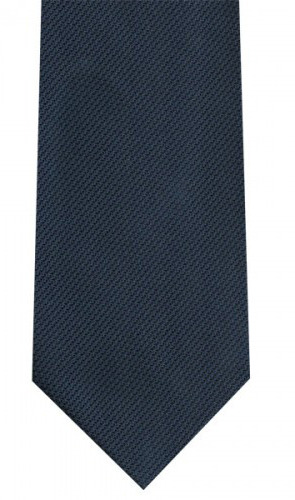
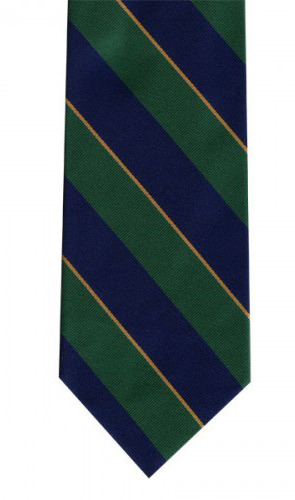
E&G Cappelli neckties are on sale at the moment until Monday, April 29th at Linkson Jack. Until that time, customers can take 20% off with the code SS2013. This is in addition to the 20% off non-EU customers can deduct for not having to pay European taxes. E&G Cappelli makes some of my favorite neckties in the world. They’re lightly lined, fully handmade in Naples, and I think something truly a pleasure to wear. 

Also, Linkson Jack is opening a new private shopping service. Customers can now pay a monthly subscription fee that gets deposited into their Linkson Jack account as store credit. These credits can then be used on any items in the store. Subscribers will have access to exclusive products, special sales, and style advice from either Simon Crompton or me (that is, if you happen to have a question, you can send one of us a message through Linkson Jack’s messaging service, and receive product recommendations once a month). In the interest of full disclosure, we earn a small 10% commission from any product we recommend, but Linkson Jack is one of my favorite online stores (top ten, easily), so the partnership is quite natural. 

At the moment, private shopping subscribers have access to steep introductory discounts (40% off) on Linkson Jack’s new line Arcuri Cravatte ties (which are handmade in Calabria, southern Italy), as well as a range of discounts on work bags, briefcases, and scarves. 

Proper Garment Care
Buying high quality garments, with the assumption that they’re built to last, only means something if you know how to take proper care of your clothes. Stuffing them into overcrowded closets or sending them off to bad dry cleaners will shorten their life considerably. Fortunately, taking care of your clothes doesn’t require much work. You can accomplish it with just a few minutes a day.
For suits and sport coats, dry cleaning twice a year should be sufficient for anything that’s only worn once or twice a week. Sending it in more often than that will shorten the life and ruin the look of a jacket. That’s because most dry cleaners use harsh chemicals and give hard pressings. You can, of course, use a high-quality cleaner that doesn’t employ such methods, but those will cost you more money.
For every day care, brush the dirt out with a soft bristled garment brush. This will prevent them from getting deep into the fabric, where friction can damage the fibers. It’ll also knock out any food bits that may attract moths. You can buy garment brushes from Kent, though sometimes slightly imperfect ones can be had for a bit cheaper on eBay. For something truly nice, Linkson Jack has some brushes backed with oxhorn.
To begin brushing, wipe down any large, unfinished wooden table, and lay your garment down on the surface. A polished table may be too slippery, so if you only have one of those, put your garment on a blanket or strip of felt so it won’t slide about. If this doesn’t work, you can also brush your garment while it’s on a hanger (though I find it’s harder to really bring some pressure to bear on the brush this way). While brushing, use short flicks of the wrist and always brush in the same direction. Never, ever scrub. You can first brush against the nap to remove any dirt, and then down the nap for a smooth finish. Some people even recommend dampening the brush with some water first for a bit of a freshening up, though I’ve never found the need to do this.
For wrinkles, you can let your jackets hang for a day or two. Heavy wools and linens should naturally relax over time. If you still need to sharpen them up, try using a garment steamer, but be careful to stay away from the seams and don’t go too wild with the device. Otherwise, you can ruin the stitching and take out the shape. Afterwards, hang your jacket on a hanger with flared shoulders. The Hanger Project makes the nicest ones I know of. The width and curvature of their shoulders most closely imitate a man’s natural shoulders, which is what you want. If you can’t afford them, however, Wooden Hanger USA sells some very nice options starting at $7.
If your jackets are finely constructed, you may also want to send them in for a hand press once a year or so. This will help restore their shape, which is often what gives a suit its flattering silhouette. Note, a hand press is different from a machine press. Most places will offer the second, even if they advertise it as the first. Machine presses take shape out; hand presses put shape in. If you can’t find someone in your area who can give you this service, you can send your jackets to Rave Fabricare.
For trousers, I recommend a similar treatment. Wools and linens go to the dry cleaner, though perhaps a bit more frequently than jackets since they tend to get dirty quicker. Still, we’re only talking about three or four times a year. You can brush out most of the dirt each day with a garment brush. Casual cotton chinos can be machine washed, though I also send my nicer, dressier cotton trousers to the dry cleaner. That includes dress chinos, moleskins, and corduroys. 
For sweaters, some cotton sweatshirts can be machine washed, but most sweaters will be better served by an at-home hand wash. This is a rather simple process, and Jesse covered the how-to two years ago in this post.
For shirts, pre-treat any stained collars and cuffs with Octagon Bar Soap. Soak your shirt in some water, rub the soap in, and scrub with a fingernail brush. Repeat until you see the dirt rings start fading. Then roll up your wet, soapy shirt and leave it overnight in a plastic bag so that it remains moist. The next day, just launder as usual. Alex Kabbaz, one of America’s best custom shirt makers, recommends Tide’s Unscented Original. I use Ecover, and mix in some Oxiclean if my shirts are extra dirty (as per Jesse’s recommendation). To protect the mother of pearl buttons, I sometimes button my shirts and turn them inside out.
For machine washes, you should always try to use the cold water, gentle cycle, but if you really need to treat stains, hot water for whites and warm water for light colors is often acceptable. Dark colors, however, should always be washed with cold water. After the wash, I strongly recommend hang drying. Machine dryers can take the humidity out of your fabrics, leaving them dull and brittle, which will eventually give them a premature worn-out appearance.
As always, make sure you always consult your garment’s care label for more instructions. They’ll usually at least tell you the bare minimum you have to adhere to.
(Photo from The Trad) 

Proper Garment Care

Buying high quality garments, with the assumption that they’re built to last, only means something if you know how to take proper care of your clothes. Stuffing them into overcrowded closets or sending them off to bad dry cleaners will shorten their life considerably. Fortunately, taking care of your clothes doesn’t require much work. You can accomplish it with just a few minutes a day.

For suits and sport coats, dry cleaning twice a year should be sufficient for anything that’s only worn once or twice a week. Sending it in more often than that will shorten the life and ruin the look of a jacket. That’s because most dry cleaners use harsh chemicals and give hard pressings. You can, of course, use a high-quality cleaner that doesn’t employ such methods, but those will cost you more money.

For every day care, brush the dirt out with a soft bristled garment brush. This will prevent them from getting deep into the fabric, where friction can damage the fibers. It’ll also knock out any food bits that may attract moths. You can buy garment brushes from Kent, though sometimes slightly imperfect ones can be had for a bit cheaper on eBay. For something truly nice, Linkson Jack has some brushes backed with oxhorn.

To begin brushing, wipe down any large, unfinished wooden table, and lay your garment down on the surface. A polished table may be too slippery, so if you only have one of those, put your garment on a blanket or strip of felt so it won’t slide about. If this doesn’t work, you can also brush your garment while it’s on a hanger (though I find it’s harder to really bring some pressure to bear on the brush this way). While brushing, use short flicks of the wrist and always brush in the same direction. Never, ever scrub. You can first brush against the nap to remove any dirt, and then down the nap for a smooth finish. Some people even recommend dampening the brush with some water first for a bit of a freshening up, though I’ve never found the need to do this.

For wrinkles, you can let your jackets hang for a day or two. Heavy wools and linens should naturally relax over time. If you still need to sharpen them up, try using a garment steamer, but be careful to stay away from the seams and don’t go too wild with the device. Otherwise, you can ruin the stitching and take out the shape. Afterwards, hang your jacket on a hanger with flared shoulders. The Hanger Project makes the nicest ones I know of. The width and curvature of their shoulders most closely imitate a man’s natural shoulders, which is what you want. If you can’t afford them, however, Wooden Hanger USA sells some very nice options starting at $7.

If your jackets are finely constructed, you may also want to send them in for a hand press once a year or so. This will help restore their shape, which is often what gives a suit its flattering silhouette. Note, a hand press is different from a machine press. Most places will offer the second, even if they advertise it as the first. Machine presses take shape out; hand presses put shape in. If you can’t find someone in your area who can give you this service, you can send your jackets to Rave Fabricare.

For trousers, I recommend a similar treatment. Wools and linens go to the dry cleaner, though perhaps a bit more frequently than jackets since they tend to get dirty quicker. Still, we’re only talking about three or four times a year. You can brush out most of the dirt each day with a garment brush. Casual cotton chinos can be machine washed, though I also send my nicer, dressier cotton trousers to the dry cleaner. That includes dress chinos, moleskins, and corduroys. 

For sweaters, some cotton sweatshirts can be machine washed, but most sweaters will be better served by an at-home hand wash. This is a rather simple process, and Jesse covered the how-to two years ago in this post.

For shirts, pre-treat any stained collars and cuffs with Octagon Bar Soap. Soak your shirt in some water, rub the soap in, and scrub with a fingernail brush. Repeat until you see the dirt rings start fading. Then roll up your wet, soapy shirt and leave it overnight in a plastic bag so that it remains moist. The next day, just launder as usual. Alex Kabbaz, one of America’s best custom shirt makers, recommends Tide’s Unscented Original. I use Ecover, and mix in some Oxiclean if my shirts are extra dirty (as per Jesse’s recommendation). To protect the mother of pearl buttons, I sometimes button my shirts and turn them inside out.

For machine washes, you should always try to use the cold water, gentle cycle, but if you really need to treat stains, hot water for whites and warm water for light colors is often acceptable. Dark colors, however, should always be washed with cold water. After the wash, I strongly recommend hang drying. Machine dryers can take the humidity out of your fabrics, leaving them dull and brittle, which will eventually give them a premature worn-out appearance.

As always, make sure you always consult your garment’s care label for more instructions. They’ll usually at least tell you the bare minimum you have to adhere to.

(Photo from The Trad

It’s On Sale: Men’s Accessories

Three online retailers are having end-of-the-season sales right now on every kind of men’s accessory you can think of.

The first is at Linkson Jack, who is having a (near) storewide sale. They’ll discount European taxes for customers outside of the EU, so if you live outside of Europe, you can expect an additional 20% off once you hit checkout. My favorite items include these E&G Cappelli ties (note the range of grenadines), Abbeyhorn oxhorn combs, and handsome leather cases for eyewear. E&G Cappelli ties are 100% handmade, constructed with a light interlining, and produced out of a small workshop in Naples, Italy. I think they’re some of the finest ties in the world.

The second is at Exquisite Trimmings, who will also discount for European taxes. I like their Drake’s ties, particularly the green wool and striped navy raw silk you see above. The first would go well with dark brown tweeds while the other can be successfully worn with tan cotton suits.

Finally, Berg & Berg is having a storewide sale. Some of their scarves are quite handsome, and I like their selection of belts. I have a braided belt similar to the one pictured above, and enjoy wearing it in the summer with khaki chinos, colorful madras shirts, and brown loafers.

The Wool Herringbone
I remember having this mid-grey, wool herringbone tie by Thom Browne when I was in my mid-20s. It was lightly lined, untipped, and featured handrolled edges. I wore it with everything back then - brown tweeds, navy sport coats, and a charcoal double windowpane jacket that I inherited from my father. It was one of my favorite ties, until it got ruined in a greasy lunch accident. 
Wool herringbones ties are still some of my favorites, especially for winter. Wool has the advantage of reflecting the season’s mood, just like how cotton and linen do for summer. Solid wool ties with a slight mottling to them, like these from Drake’s, are very versatile, but if you just want a bit more pattern, try herringbones. They’re good for when you’re not sure whether to go for something solid/ semi-solid, or a straight-out pattern, such as a rep stripe. This is helpful if you, like me, enjoy dressing well, but don’t want to spend too much time in the morning trying to figure what can be worn with what. Depending on the scale of the herringbone, these can be successfully paired with almost any kind of shirt and winter sport coat you can think of (barring except maybe a herringbone coat that looks too similar). Just stick with something mid-scale: a slightly noticeable pattern, but not so large that it could compete with other elements in your ensemble. 
The three best places I know of to buy one (at the moment)  are Drake’s, E&G Cappelli, and Marshall Anthony. The first two makers are pretty well known, but the last is a bit of a newcomer to the neckwear industry. I thought they made pretty nice ties when I first reviewed them, but they’ve come even further in their quality over this past year. 
The color selection for Drake’s wool herringbone ties is a bit limited on their website, but you can find more options through A Suitable Wardrobe. Linkson Jack also sells some E&G Cappellis at slightly lower prices if you don’t need something custom. For something more affordable, try Mountain & Sackett. They do pretty good end-of-the-season sales, though not all of their stock is always included.
Pictured above: First tie by E&G Cappelli for Napolisumisura; second and third by E&G Cappelli; last by Marshall Anthony.

The Wool Herringbone

I remember having this mid-grey, wool herringbone tie by Thom Browne when I was in my mid-20s. It was lightly lined, untipped, and featured handrolled edges. I wore it with everything back then - brown tweeds, navy sport coats, and a charcoal double windowpane jacket that I inherited from my father. It was one of my favorite ties, until it got ruined in a greasy lunch accident. 

Wool herringbones ties are still some of my favorites, especially for winter. Wool has the advantage of reflecting the season’s mood, just like how cotton and linen do for summer. Solid wool ties with a slight mottling to them, like these from Drake’s, are very versatile, but if you just want a bit more pattern, try herringbones. They’re good for when you’re not sure whether to go for something solid/ semi-solid, or a straight-out pattern, such as a rep stripe. This is helpful if you, like me, enjoy dressing well, but don’t want to spend too much time in the morning trying to figure what can be worn with what. Depending on the scale of the herringbone, these can be successfully paired with almost any kind of shirt and winter sport coat you can think of (barring except maybe a herringbone coat that looks too similar). Just stick with something mid-scale: a slightly noticeable pattern, but not so large that it could compete with other elements in your ensemble. 

The three best places I know of to buy one (at the moment)  are Drake’s, E&G Cappelli, and Marshall Anthony. The first two makers are pretty well known, but the last is a bit of a newcomer to the neckwear industry. I thought they made pretty nice ties when I first reviewed them, but they’ve come even further in their quality over this past year. 

The color selection for Drake’s wool herringbone ties is a bit limited on their website, but you can find more options through A Suitable Wardrobe. Linkson Jack also sells some E&G Cappellis at slightly lower prices if you don’t need something custom. For something more affordable, try Mountain & Sackett. They do pretty good end-of-the-season sales, though not all of their stock is always included.

Pictured above: First tie by E&G Cappelli for Napolisumisura; second and third by E&G Cappelli; last by Marshall Anthony.

It’s On Sale: Men’s Accessories

Linkson Jack, a relatively new online purveyor of high-quality men’s accessories, is having a sale from now until Sunday. Until then, you can take 20% off any order over $80 with the coupon code TWENTY. This is on top of the 20% discount for non-EU customers, since they don’t have to pay European taxes.

The code works on everything except fountain pens and bespoke boxes. Particularly nice are Linkson’s enamel cufflinks and oxhorn accessories. This ox horn comb, for example, comes in at just under $20 with the discount. Ox horn is a great material for combs not just because it looks better, but also because it’s less likely to snag your hair.

I’m probably most excited about the stock of E&G Cappelli ties, however. Lightly lined and beautifully handcrafted, E&G Cappelli ties are some of the best in the world. These usually retail north of $115, but are on sale for about $80 with the discount. A wonderful way to get score some basic grenadines, repp ties, and wool ties at an excellent price for this level of quality. I particularly like the navy grenadine and wool grey tie you see above. 

They’re On Sale: Fine Men’s Accessories

Two excellent sellers of fine men’s accessories are running sales right now.

The first is Linkson Jack, who is giving a 10% discount on ox horn accessories, belts, and ties with the discount code TENG+. Leather portfolios can also be had for 15% off with the code FIFTEENG+. That puts this ox horn comb at $18 and ox horn brush at $54 (once you discount for European taxes). Ox horn combs have an advantage over plastic ones in that they’re less damaging to your hair, don’t carry static, and are simply just better looking. You can read an article I wrote about them here

Note that Linkson Jack always includes free worldwide shipping, but their coupon codes end Sunday night (London time). 

The second is Exquisite Trimmings. Though it’s not technically a sale, they just added free worldwide shipping and VAT discounts for anyone outside the EU. VAT, as you probably know by now, is the ~20% tax included in the listed price on most Western European goods. Some stores discount that for non-European customers, but some don’t. Exquisite Trimmings just moved themselves into the first camp, which is nice. They carry ties, pocket squares, and cufflinks by some of the world’s best makers, such as EG Cappelli and Rubinacci. Shaya, the proprietor of the company, tells me that he has a stock of Drake’s accessories coming in soon as well.